Copy Link
/
/
Elon Musk stands today not simply as a titan of technology, but as a living embodiment of disruption — a figure whose influence stretches from space rockets to social media platforms, and whose decisions ignite debate as often as they provoke upheaval.
At his core, Musk is driven by an intolerance for the status quo. Whether confronting entrenched industries or reimagining entire sectors, he rarely chooses the safe path. This relentless drive has produced remarkable achievements — reusable rockets, electric cars now ubiquitous on city streets, and ventures into artificial intelligence and neural technology — but it has also left a trail of broken systems, strained relationships, and deep political and cultural fissures.
Disruption as Doctrine
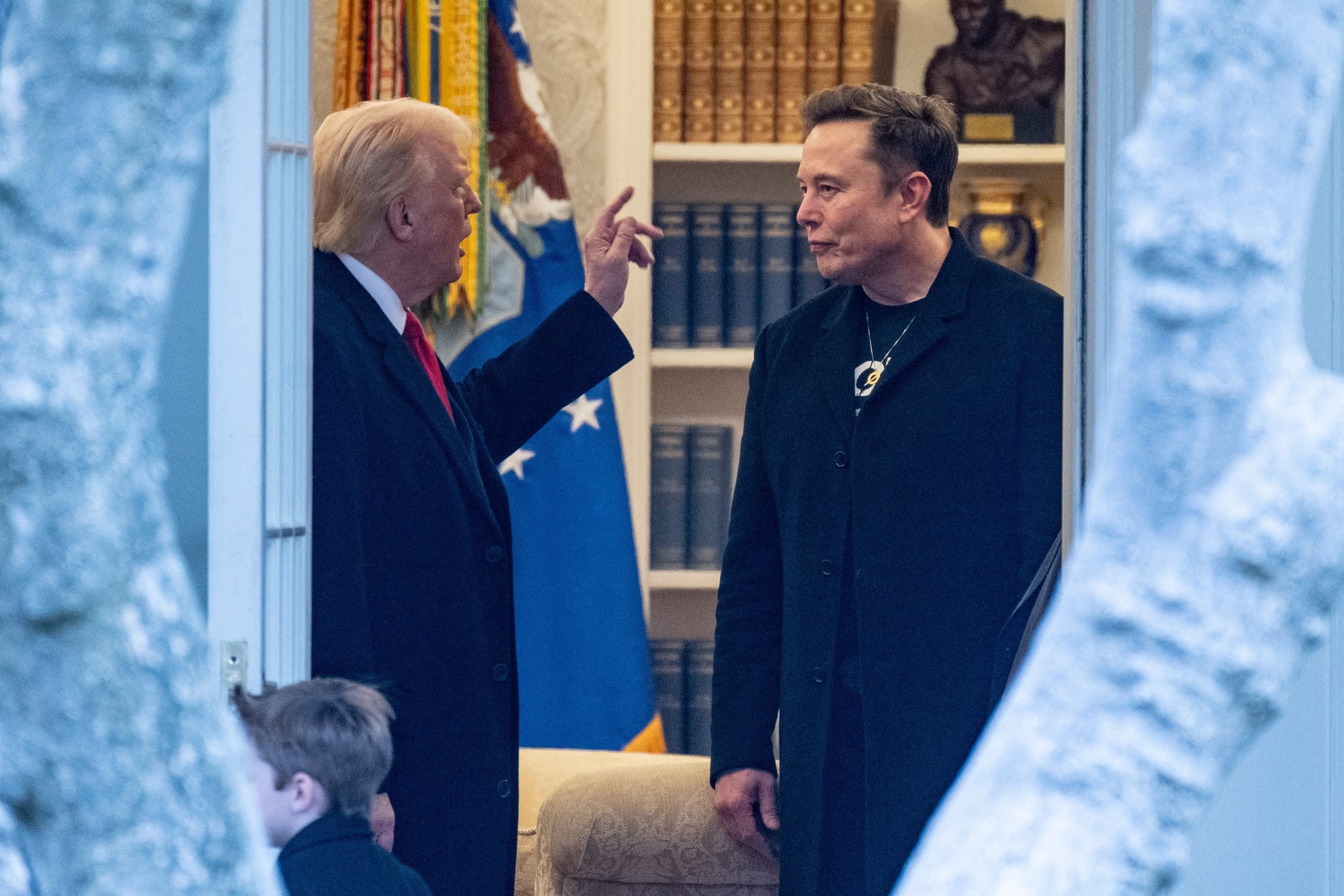
Musk rarely conforms. He doesn’t wait for consensus or permission. When he saw what he perceived as censorship and manipulation in online discourse, he acquired Twitter and rebranded it as X — not to preserve a familiar service, but to turn the platform into a purported bastion of “free speech.” The result, however, was chaos: turmoil in content moderation, mass layoffs, and a user base polarized by rapid rule changes and unpredictable policy shifts. Critics argue that what Musk called liberation often felt more like abandon — removing guardrails without establishing alternatives. (Wikipedia)
This pattern repeats across his ventures. Tesla’s rise to electric-vehicle dominance was punctuated by “production hell” — grueling deadlines, intense pressure on employees, and a culture of risk that both propelled innovation and amplified criticisms. SpaceX’s reusable rockets, once mocked as improbable, now redefine space travel — but only after countless failed launches and nearly bankrupt moments. (Springboard Collaborative)
Breaking Platforms and Politics
Perhaps no arena illustrates Musk’s disruptive force more starkly than his relationship with social media and political discourse. His tenure at X has often felt less like stewarding a platform and more like wielding a megaphone with minimal restraint. Actions like throttling or limiting external links — particularly from competitor platforms like Substack — drew accusations of retaliation and censorship masquerading as protection of the platform. (The Bulwark)
This battle has not only alienated creators, but also fracturing segments of the writer and media communities. What Musk framed as a stance for free expression came off to many as arbitrary and self-serving — limiting the reach of independent voices while reshaping the rules of engagement with little transparency.
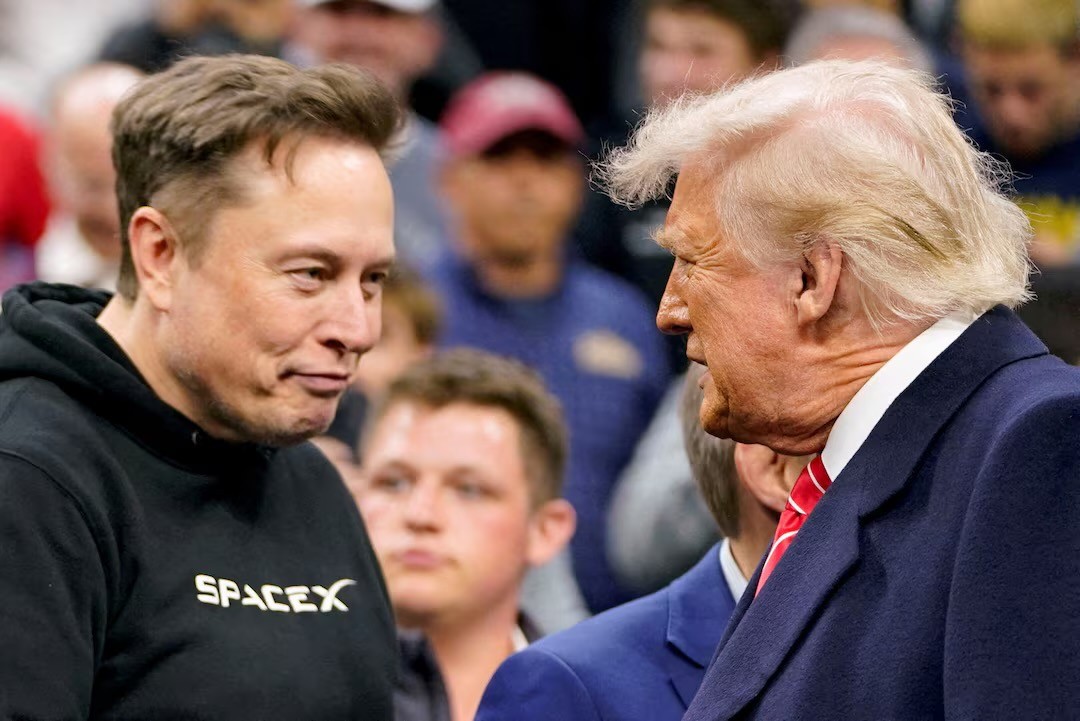
Politically, Musk’s influence has spiked and splintered. His financial support for political figures, high-profile endorsements, and broader engagement in policy debates have made him one of the most powerful unelected figures in contemporary public life — a reality that alarms detractors who worry about private power eclipsing democratic institutions. Musk’s activities in government efficiency reforms and spending cuts have amplified these concerns, prompting sharp critiques from commentators across the political spectrum. (New York Post)
The Cost of Breaking
To supporters, Musk’s record is one of visionary audacity — a rare individual who tackles the most formidable problems with unflinching ambition. They see a man who, where others hesitated, leaned in; where others folded, persevered. (Medium)
To critics, Musk is reckless — a leader whose impatience with process and polish produces breakthroughs, yes, and unnecessary damage. Whether it’s destabilizing media ecosystems, sidelining voices with platform policy moves, or upsetting regulatory norms, his methods are as controversial as his goals.
In the end, the story of Elon Musk isn’t simply one of innovation or disruption. It’s the story of a man who breaks things — and forces the world to rebuild around the wreckage.
You might also like

AC HUB NOW LIVE
a space where like-minded individuals and businesses come together to share ideas, collaborate, and grow.